
Ghost Kitchens & the Changing Footprint of Restaurants
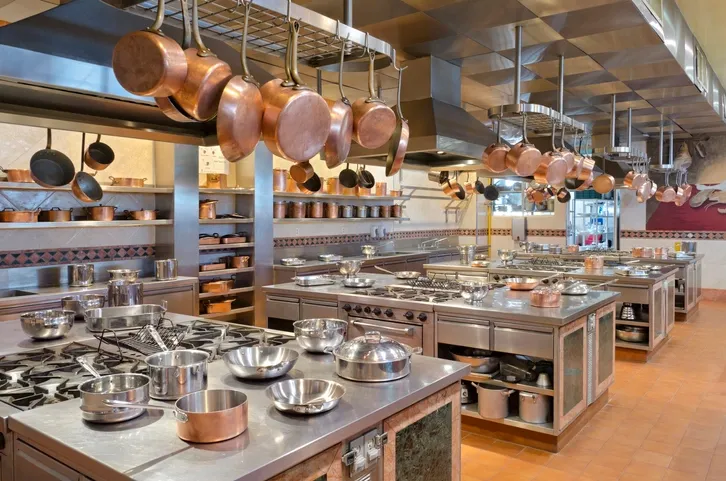
Explore how ghost kitchens are reshaping restaurant development, site selection, and commercial real estate strategy in the post-pandemic era.
The Rise of Ghost Kitchens
Ghost kitchens—also known as cloud kitchens, virtual kitchens, or dark kitchens—have become one of the most significant disruptors in the restaurant industry over the past five years. These delivery-only kitchen facilities allow brands to operate without traditional dine-in space, dramatically reducing overhead and real estate requirements.
The model surged in popularity during the COVID-19 pandemic, but it’s more than a short-term trend. Ghost kitchens are redefining how, where, and why restaurants occupy real estate—and they’re forcing landlords, developers, and tenants to rethink what it means to “open a restaurant.”
What Is a Ghost Kitchen?
At its core, a ghost kitchen is a commercial food production facility designed exclusively for takeout and delivery. It may serve a single brand or multiple virtual brands under one roof. These kitchens are typically located in:
- Converted industrial buildings
- Shared commissary spaces
- Repurposed retail boxes
- Existing restaurants with excess capacity
By eliminating front-of-house buildout and reducing real estate size, ghost kitchens offer flexibility and speed-to-market—two advantages that are increasingly valuable in today’s competitive landscape.
Why Ghost Kitchens Are Changing Real Estate Strategy
1. Smaller Footprints = Lower Costs
Traditional restaurants often require 2,000–5,000+ square feet of space, including dining areas, host stations, restrooms, and parking. Ghost kitchens, on the other hand, can operate in as little as 200–1,000 square feet. This reduction in footprint opens up a wider range of real estate options—especially in dense urban markets or underutilized retail centers.
2. Location Strategy Is Data-Driven
Since ghost kitchens are not dependent on foot traffic, site selection is now driven by delivery demand data, not visibility. Proximity to high-order volume zones and third-party delivery hubs becomes more important than street frontage or signage.
3. Zoning and Infrastructure Challenges
Operators must still navigate commercial kitchen codes, ventilation requirements, and zoning regulations. While ghost kitchens are flexible, they still need grease traps, hoods, and other infrastructure, which can limit site eligibility.
Who’s Using Ghost Kitchens?
From enterprise restaurant groups to emerging concepts, here’s how different players are engaging with the model:
- National Chains: Brands like Wendy’s, Chick-fil-A, and Sweetgreen are experimenting with ghost kitchens to test markets and increase delivery coverage.
- Independent Operators: Chefs and entrepreneurs are launching new brands without the capital costs of a full-service space.
- Third-Party Providers: Companies like Kitchen United, CloudKitchens, and Reef Technology offer turnkey kitchen space in exchange for rent or a revenue share.
Ghost Kitchens vs. Traditional Restaurants: A Quick Comparison
| Feature | Ghost Kitchen | Traditional Restaurant |
| Square Footage | 200–1,000 SF | 2,000–5,000+ SF |
| Customer Interaction | Delivery-only | Dine-in & Takeout |
| Real Estate Costs | Low | High |
| Buildout Time | 2-3 months | 6-12 months |
| Location Strategy | Delivery demand-focused | Foot traffic + branding |
What It Means for Developers & Landlords
As ghost kitchens grow, landlords and CRE developers have new opportunities to repurpose underperforming spaces—especially former retail or restaurant units that may not suit a full-service concept anymore.
Considerations for developers include:
- Flexible floorplans that accommodate multiple tenants
- Shared infrastructure to lower entry barriers
- Proximity to dense delivery zones or multifamily residential areas
- Loading access and parking for delivery driver traffic
Final Thoughts: Ghost Kitchens Are Here to Stay
Ghost kitchens are not a fad—they’re a response to changing consumer behavior, rising costs, and evolving delivery infrastructure. For commercial real estate professionals and restaurant operators, they represent a new way to maximize space, reduce risk, and expand reach.
As we look to the future, the challenge isn’t choosing between ghost kitchens or traditional formats—it’s understanding how both can fit into a smart, flexible development strategy.
Malik Hammack